Regenerative aquaculture: how to integrate fish and crops on the farm
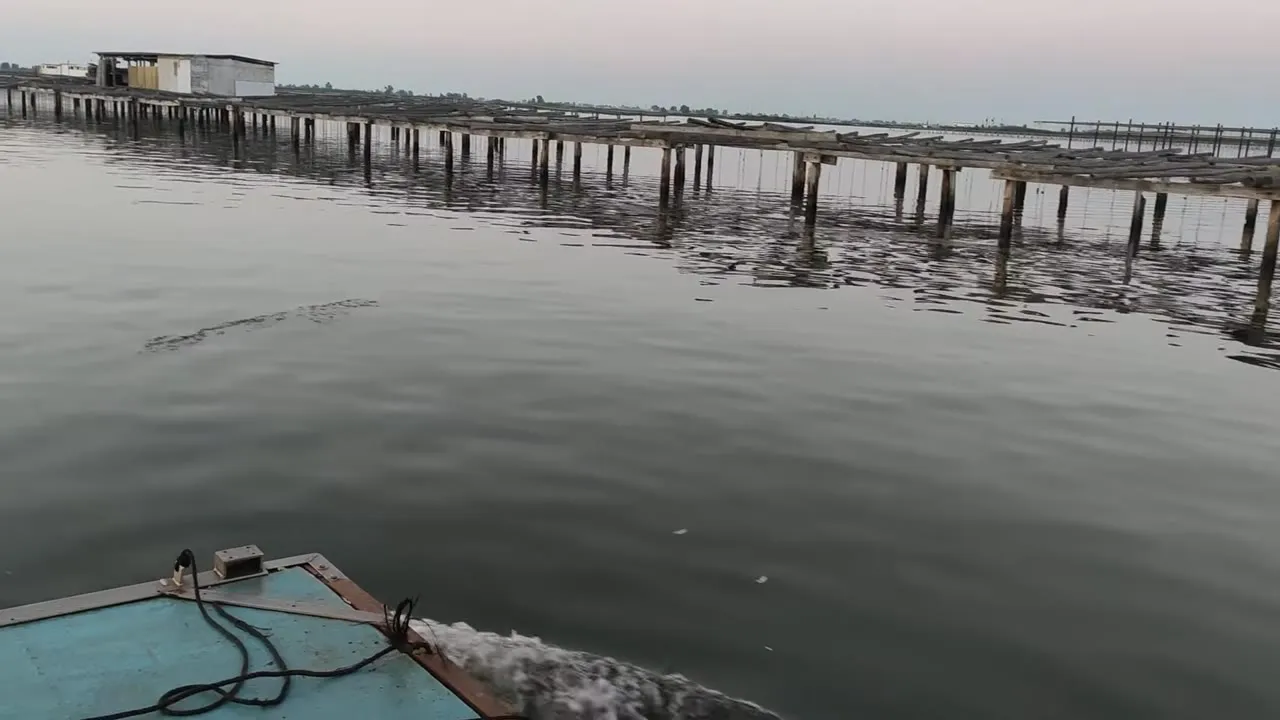
On a fish farm, waste in the water is a problem. In a vegetable garden, nutrients in the water are a resource. Regenerative aquaculture starts from a simple idea: join the two so that what is left over in one part of the system feeds the other.
In this article we explain the main ways to integrate fish and crops, how they work according to FAO and what to bear in mind before taking the plunge.
The logic: closing loops
FAO, in its 10 elements of agroecology, gives a very clear example under the recycling element: in rice-fish systems, aquatic animals help fertilise the rice and reduce pests, which reduces the need for external fertilisers and pesticides.
It is the same idea that guides all regenerative agriculture: according to FAO, closing nutrient, biomass and water loops reduces dependence on external resources and vulnerability to market and climate shocks.
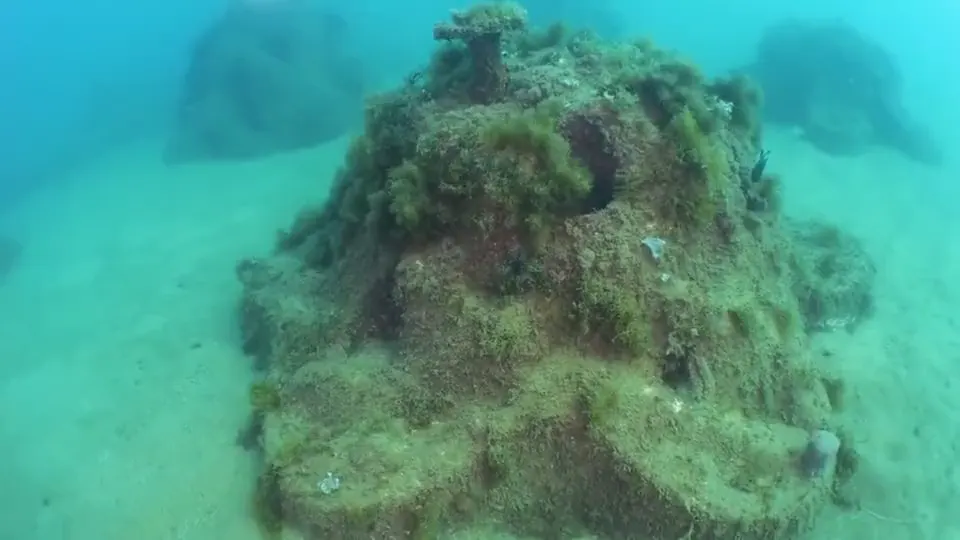
We see it at sea too. UGI (Underwatergardens International), a project Xavier has worked with, regenerates seabeds with artificial structures, called biotopes, that end up colonised by algae, invertebrates and fish. It is the same logic: create the conditions for life to return and do the work.
Three ways to integrate fish and crops
1. Rice fields and flooded crops with fish
This is the oldest form. The crop's water is also the fish's habitat. It is the example FAO gives: fish help fertilise the rice and reduce pests.
2. Productive ponds
Many farms have an irrigation pond. Integrating fish into it is an option worth studying case by case, with the same logic of using the nutrients in the water for the crops. It fits naturally with keyline design, which places ponds according to the landform.
3. Aquaponics
FAO devotes a full technical manual to small-scale aquaponics (Technical Paper No. 589, 2014). There it defines aquaponics as the integration of recirculating aquaculture and hydroponics in a single production system.
How aquaponics works, according to FAO
The basic operation FAO describes is this:
- Water leaves the fish tank loaded with waste.
- A mechanical filter removes solid waste.
- A biofilter hosts bacteria that convert ammonia, toxic to fish, into nitrate, a nutrient plants can use more easily. This process is called nitrification.
- Water flows through the grow beds, where plants absorb the nutrients.
- Clean water returns to the tank.
FAO explains that nitrifying bacteria first convert ammonia into nitrite and then into nitrate. Fish, plants and bacteria thus work in symbiosis, as long as the system is well balanced.
The manual describes three main methods: media beds, nutrient film technique (NFT) and deep water culture.
Advantages and limits, without embellishment
According to FAO, in aquaponics the aquaculture effluent is not discharged into the environment but used in the grow beds, and plant nutrients come from a sustainable, non-chemical source. The manual adds that it is especially suited to places where land is expensive, water is scarce and soil is poor.
But FAO is also very clear about the limits:
- It can be a complicated technique.
- Systems are expensive to set up, because an aquaculture system and a hydroponic one must be installed at the same time.
- Small units will not provide all of a family's food.
- It requires daily monitoring of water quality: pH, ammonia, nitrite and nitrate.
Before you start: key questions
- What water do you have? Quantity, quality and availability throughout the year.
- What do you want to produce? Fish for your own consumption, for sale or just as a fertility engine.
- What permits do you need? Before investing, check with the competent authority which authorisations are required to keep fish and use the water.
- Do you have time for daily monitoring? A system with fish cannot be left alone for weeks.
- How does it fit with the rest of the farm? Consider whether the waste and nutrient-rich water can feed your biofactory and your crops.
Start small
As with everything, the prudent approach is to start with a small unit, learn to manage the balance between fish, bacteria and plants, record everything and grow afterwards. The FAO manual includes guides for building small units of each of the three methods.
Common mistakes
- Stocking too many fish for the size of the biofilter and beds.
- Not testing the water regularly.
- Underestimating the initial cost and daily work.
- Ignoring permits.
- Thinking of the system in isolation instead of integrating it into the farm.
Water that feeds
Integrating fish and crops is a very powerful way of closing loops, but it requires design and consistency. You'll find more information on our aquaculture page.
If you want to study whether it makes sense on your farm and how to design it, write to us.
Be the one who does it.
Sources
- Somerville, C., Cohen, M., Pantanella, E., Stankus, A. & Lovatelli, A. (2014). Small-scale aquaponic food production. Integrated fish and plant farming. FAO Fisheries and Aquaculture Technical Paper No. 589. Rome: FAO. https://www.fao.org/4/i4021e/i4021e.pdf
- FAO. The 10 elements of agroecology: Recycling. https://www.fao.org/agroecology/overview/the-10-elements-of-agroecology/recycling/en