How a brand or retailer can fund the regenerative transition of its supplier farms
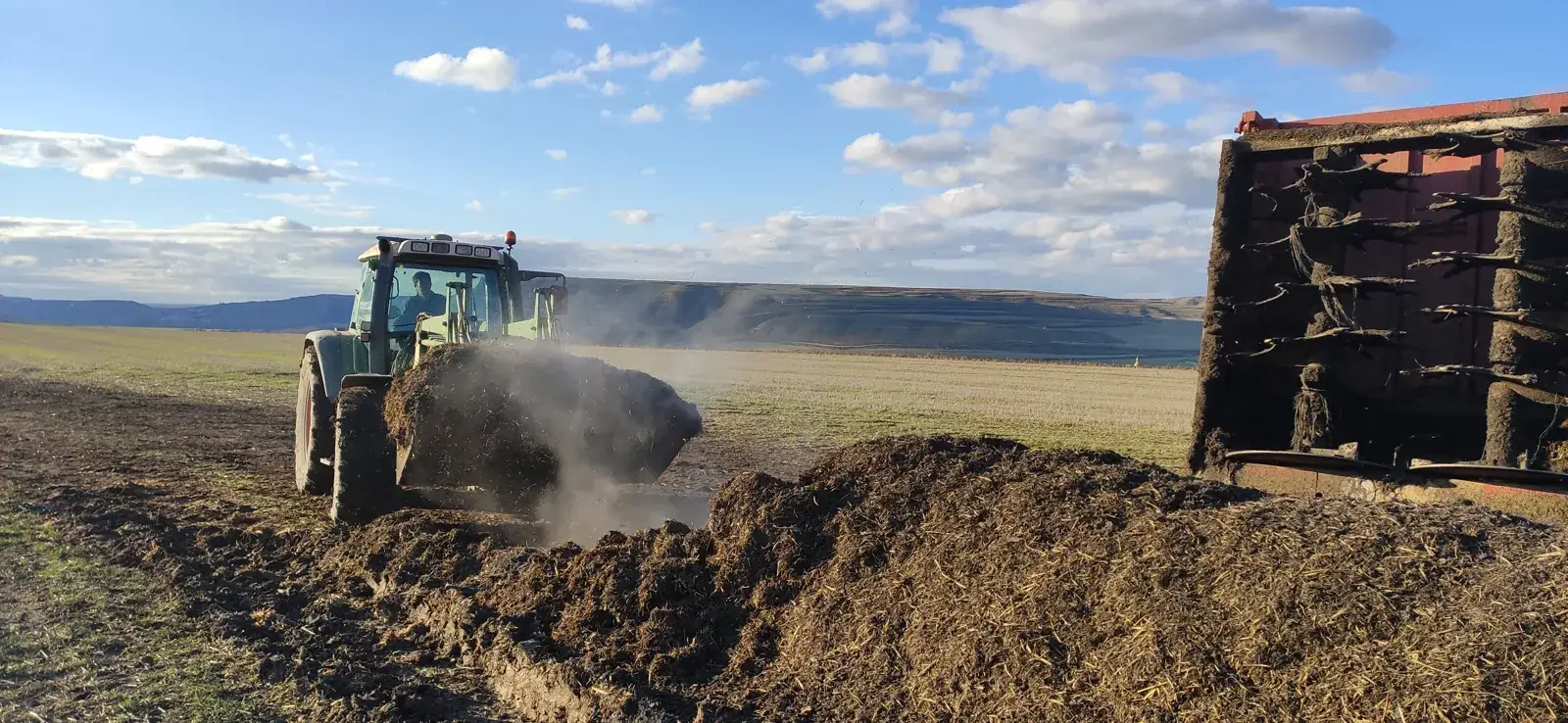
More and more brands and retail chains want to say that what they sell comes from living soil. The problem is that the commitment often stays in the office, and things look different on the farm. The farmer, who is the one who has to change how they work, rarely has the margin to pay for a diagnosis, set up a biofactory or spend hours training. So the transition stalls before it starts.
At True Regenerative we see it in the field every season. That is why we work with a very concrete model: the company funds the transition of its supplier farms, the farmer gains autonomy, and everyone can check what happens with measured data. In this article we explain how it works and how you can get it going.
Why the regenerative transition needs a funder
The farmer takes the risk; the brand gets the story
Moving to regenerative management means learning new techniques and changing how you fertilise, how you cover the soil and how you manage water. During that learning there is uncertainty, and the farm almost always carries it. If the company wants a truly regenerative origin, it makes sense to share that effort.
What isn't measured can't be defended
A brand needs to be able to explain to its board, its customers and its sustainability reports what has changed on the farms. Without a baseline diagnosis and without measurement, any claim is left hanging. Funding the transition also means buying the ability to prove it.
What a company-funded transition programme includes
A serious programme is not a one-off workshop or a yearly visit. It is support for each farm, with a beginning and an end, combining four pieces.
1. A diagnosis of each farm
Before changing anything, we look at the soil, the water, the crops, the animals and the people who work the farm. The diagnosis sets the baseline: the starting point against which everything else will be compared. Without a baseline there is no honest way to talk about improvement.
2. An on-farm biofactory
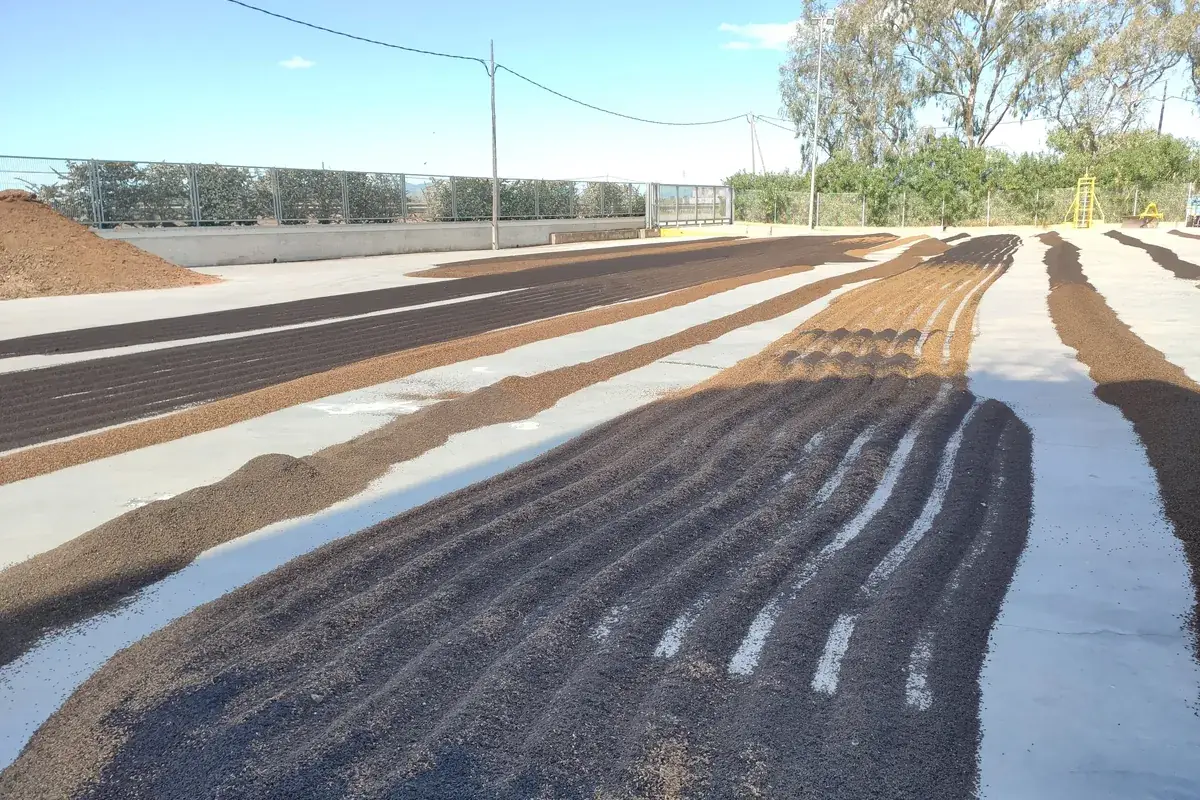
The biofactory is the heart of autonomy. It is the space where the farm itself prepares its homemade bio-inputs: bokashi, indigenous microorganisms, ferments, mineral broths. With it, the farmer depends less on external inputs and controls the fertility of their soil. For the company, it is an investment that stays on the farm and keeps working when the programme ends.
3. Hands-on training
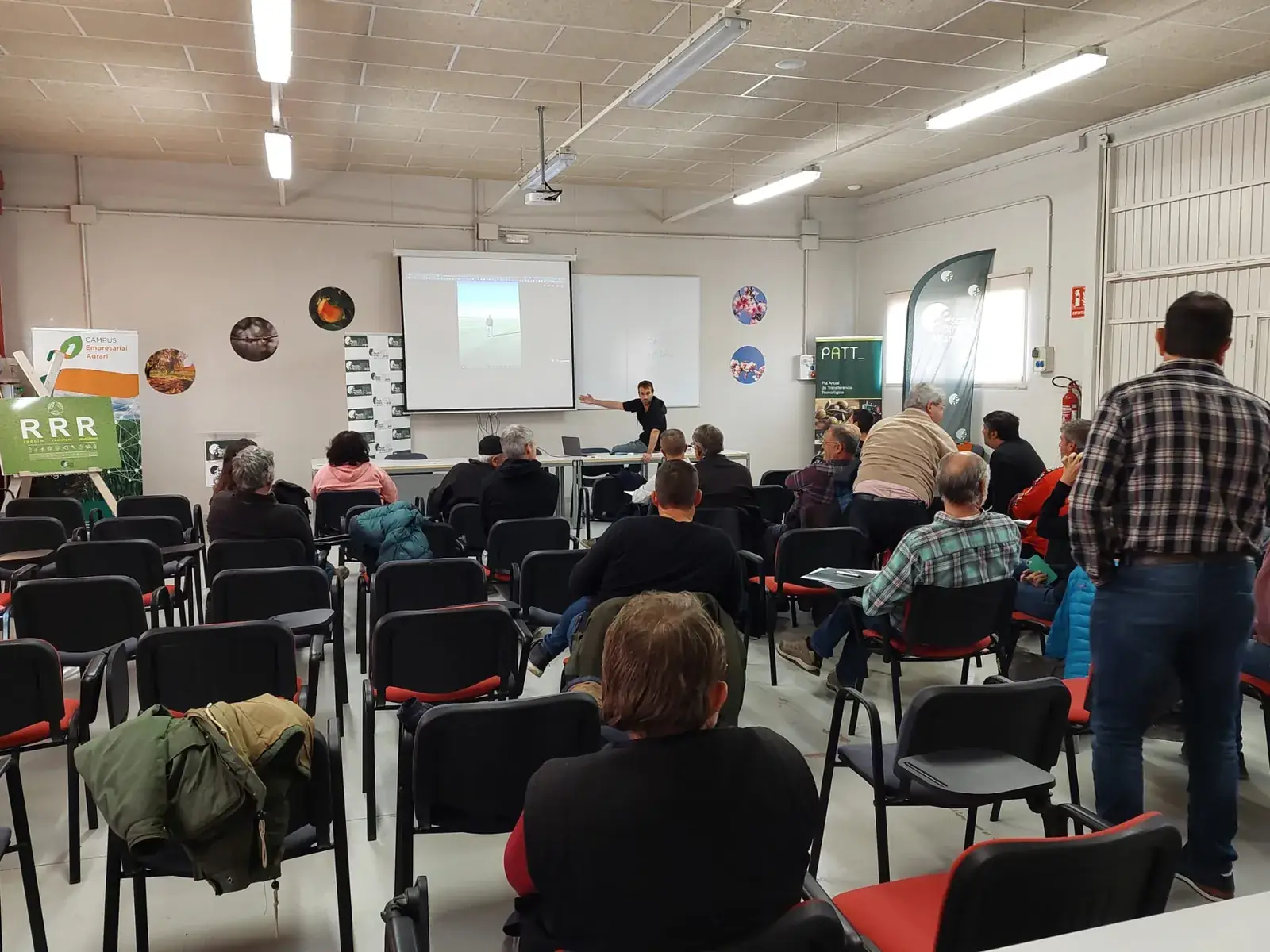
Training happens on the farm, hands in the soil, adapted to its crops and climate: how to prepare and apply bio-inputs, how to cover the soil, how to read the land and apply keyline design to manage water. The goal is for the farm team to be able to decide for themselves.
4. Measurement and follow-up
During the programme, practices, lab analyses, dated photos and evidence are recorded with the same protocol on every farm. That way the company can compare, see progress and justify the investment. We have a dedicated article on it: traceability and measurement on a regenerative farm.
How to launch a programme step by step
Step 1: choose a small pilot group
Starting with a few farms lets you fine-tune the method, the measurement protocol and the real costs before scaling. A well-run pilot beats a big campaign with no follow-up.
Step 2: select farms with care
Look for supplier farms that want to change, have a stable relationship with your company and represent your crops or regions. The farmer's motivation matters more than the size of the farm.
Step 3: agree what will be measured from day one
Define with the technical team the soil, water, biodiversity and management indicators to be tracked, and how they will be recorded. If every farm measures differently, the data can't be compared.
Step 4: make data ownership clear
The farmer must own their farm's data and give permission to share it. It is a matter of trust: without it, the programme breaks.
Step 5: set a graduation date
A good programme ends. When the farm has its biofactory running, keeps its own records and makes its own technical decisions, it graduates. The goal is for the farm to become autonomous, not dependent, neither on external inputs nor on us.
Step 6: communicate with care
Explain what has been done and what has been measured, without promising results that have not yet been proven. On topics such as carbon or regulatory reporting, it is best not to claim anything without a verified methodology.
What each party gains
The company
- A regenerative origin it can explain and back with evidence.
- A stronger relationship with its suppliers.
- Useful field data for its sustainability reports, collected with a common protocol.
The farmer
- Access to diagnosis, a biofactory and training they could hardly pay for alone.
- More autonomy in managing fertility.
- Knowledge that stays on the farm.
The territory
- Livelier soils, better water management and more biodiversity in the farming landscape.
What we have already seen in the field
The farms we have worked with show us that the transition is possible when there is technical support and the farm can make the tools its own. Some examples:
- A market garden in the Baix Llobregat that has moved from organic production to regenerative management, with a community biofactory alongside a research group and a local organisation.
- Another market garden in the Baix Llobregat, regenerating its soil with flower strips, reuse of crop residues and fertility management.
- An inland market garden, where soil regeneration was tackled with a biofactory, bokashi, ferments and keyline.
- A rice farm in the Ebro Delta, with organic rice, soil regeneration, straw amendments and a project with ducks.
- A dryland farm in the Terra Alta, with almonds, olives and hazelnuts, rational grazing and holistic management with horses.
You can see more on our cases page. What they all have in common is what a company-funded programme wants to multiply: technique applied on the farm and the autonomy to carry on.
What other companies are doing
We are not the only ones who think the transition should be funded by those who buy. These figures come from the companies and organisations themselves, with their source:
- Danone, Intermalta, Cargill and Alpro, with EIT Food (Navarra 360º): more than 4,000 ha in regenerative transition, 38 farmers, more than 60 individual transition plans and more than €96,000 in premiums linked to adopting and verifying regenerative practices (EIT Food, 17/02/2026).
- Heineken Spain with InterMalta: a barley programme launched in 2025 with 8 cooperatives and suppliers, with potential for around 200 farmers and almost 10,000 ha. According to the company, 55 farmers have received more than 24 hours of training (Corresponsables, in Spanish, 22/09/2026).
- Lidl Netherlands with FrieslandCampina and ReGeNL: a three-year pilot on 30 dairy farms, with financial support from Lidl, tailored farm plans in the first year and monitoring of ecological and economic results (Lidl Nederland, in Dutch, 15/05/2025).
- Lidl Spain: the Lidl Supplier Academy offers training and green finance to its more than 400 own-brand suppliers, with credit lines from Grupo Cooperativo Cajamar (Lidl España, in Spanish, 12/02/2026).
- McCain: has committed to regenerative practices on 100% of McCain's potato acreage by 2030 and reports 69% of global acreage "Onboarded" and 44% "Engaged" or higher (McCain, 03/02/2026).
Science is on board too. CREAF and the Iberian Regenerative Agriculture Association published ten basic criteria for regenerative agriculture, agreed with almost 200 producers, organisations and sector representatives, to curb greenwashing (CREAF, in Spanish, 12/02/2026). For a company, it is a good reference when defining what it funds.
Frequently asked questions
Do all supplier farms need to start at once?
No. The recommended approach is to start with a pilot, learn, and then extend to more farms with a proven method.
Does the programme work for any crop?
The regenerative approach adapts to market gardens, arable crops, tree crops, livestock and even aquaculture. What changes is the specific design of each farm, which comes out of the diagnosis.
Who decides the practices on the farm?
The farmer, with technical support. The company funds and receives the measured information, but management decisions are made on the farm.
Take the first step with your supplier farms
If your brand or chain wants to fund the regenerative transition of its suppliers with diagnosis, a biofactory, training and measurement, let's talk. We design a pilot with you, tailored to your farms and to what you need to demonstrate.
👉 Write to us from the contact page and tell us which farms you would like to support. You can also see the For companies page.
Be the one who does it.