Bioindicator plants: what the weeds tell you about your soil
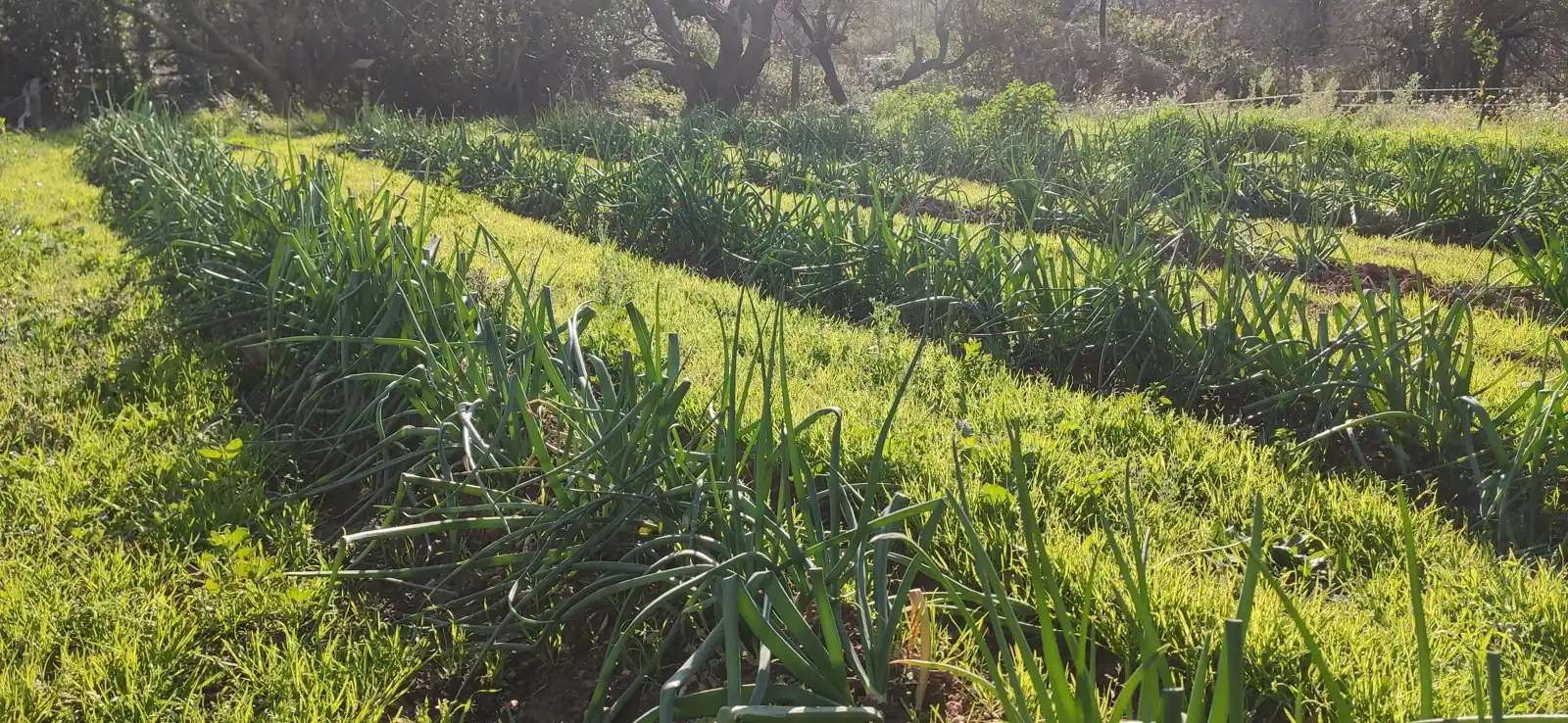
We call them "weeds" and spend years trying to get rid of them. But the plants that appear on their own in a plot don't arrive by chance. Each species needs specific conditions to germinate and thrive, and its presence, or abundance, tells a story about what is happening under your feet.
Reading that story is what bioindication is about. In this article we explain where the method comes from, how it is applied and how to use it on your farm as one more tool, not as an oracle.
Where the method comes from
The European reference is the French botanist Gérard Ducerf. His method of diagnosing soils through bioindicator plants rests, according to Promonature (the organisation that disseminates his work), on a simple idea: plants and their environment interact strongly. The spontaneous appearance or disappearance of certain species in grassland and crops reveals the state of the soil and makes it possible to anticipate imbalances before they show.
The key lies in seed dormancy. Promonature explains that seeds, once mature, cannot germinate until particular conditions are met. The soil thus works as a huge seed bank waiting its turn. When you change management, conditions change and other species germinate. That is why spontaneous flora is, in a way, a record of what you have done to the soil.
The method is not an amateur hobby: the Chamber of Agriculture of the Rhône (France) offers official training in it for winegrowers, covering topics such as the definition of a functional soil, the relationship between plants and soil health, and an introduction to botanical inventories to adapt practices.
How a bioindicator diagnosis is done
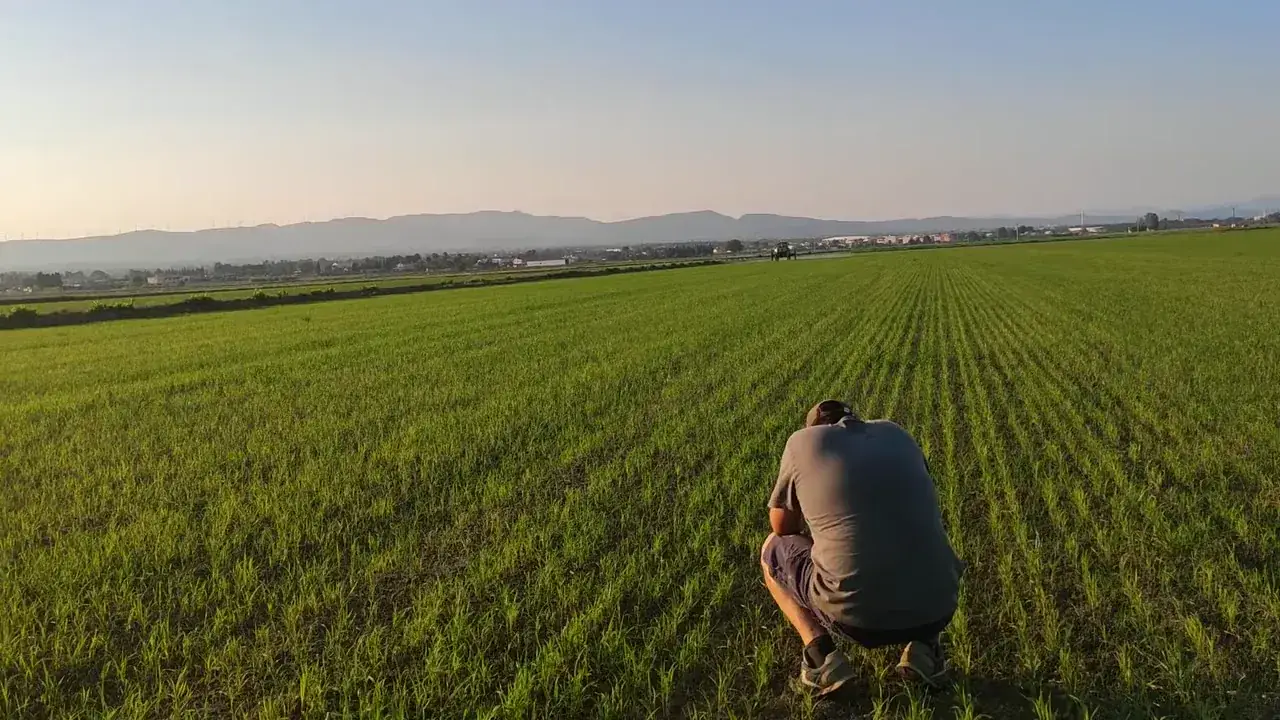
A serious diagnosis is not about seeing one plant and drawing conclusions. It is based on the whole picture. The general steps are:
1. Mark out homogeneous zones
Don't mix the damp hollow and the dry ridge in the same inventory, or the area where livestock graze with the one nobody walks on. Each zone with different management and position deserves its own inventory.
2. Make the species inventory
Walk the zone and note every species you find, not just the most eye-catching. If you don't know them, photograph the whole plant, the leaf and the flower, and rely on guides or a botanist.
3. Estimate abundance
A single plant says little; a plant covering half the plot says a lot. Note how much space each species takes up, even with a simple scale (rare, frequent, dominant).
4. Interpret as a whole
As Promonature explains, the factors that make a seed germinate vary widely and depend on each species. When you cross-check the dominant species, coherent patterns emerge: compaction, excess water, excess poorly decomposed organic matter, erosion… The reading is done on the whole set, never on a single species.
5. Repeat every season
The real value comes with time. If you do the inventory at the same time every year, you will see how the flora changes when you change management.
What bioindication does not replace
Let's be honest here. Bioindicator plants are clues, not analyses. They point you towards processes (compaction, waterlogging, organic matter imbalances), but they don't give you pH, carbon or nutrient values.
That is why we recommend combining them with:
- A lab soil analysis as a baseline. The NRCS of the US Department of Agriculture points out that soil health tests help track changes over time and assess the effectiveness of conservation practices.
- Simple field observations: structure when you dig a hole, infiltration after rain, earthworms, smell.
- A dated photo record of each zone.
When flora, analysis and observation point the same way, you have a solid diagnosis. When they don't agree, you have a good question to investigate.
How to use it to decide
Bioindication is mainly useful for:
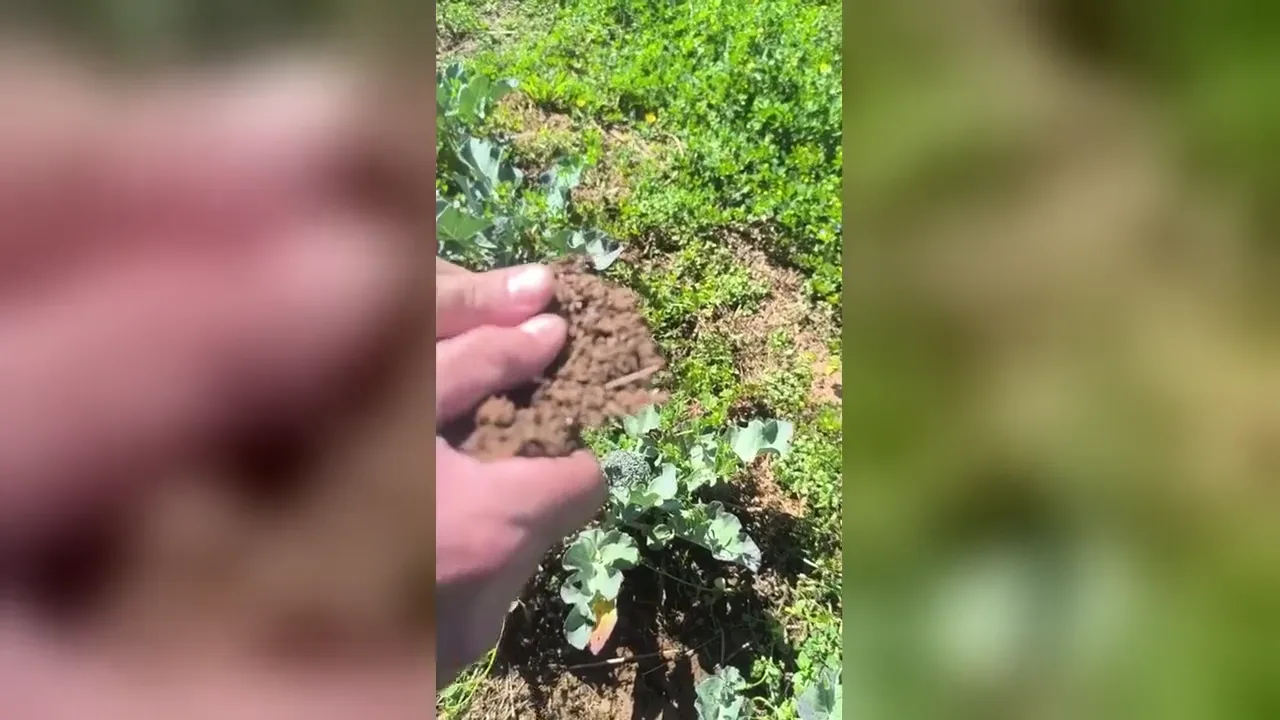
- Prioritising where to act. If a zone shows signs of compaction, the first step there may not be fertilising but decompacting and covering the soil.
- Seeing whether your practices work. If you change management and the flora evolves in the expected direction, you are on track.
- Speaking the same language as your team. A shared inventory is a very concrete way of looking at the soil together.
It fits with the regenerative agriculture criteria that CREAF and the Iberian Regenerative Agriculture Association agreed with almost 200 producers, organisations and scientists, including avoiding tillage, keeping the soil covered as long as possible and managing the farm agroecologically. To manage a farm well, you first have to know how to read it.
Common mistakes
- Drawing conclusions from a single plant. Always as a whole and with abundances.
- Misidentifying species. A wrong identification leads to a wrong diagnosis. When in doubt, ask.
- Mixing different zones in the same inventory.
- Using them instead of a soil analysis. They are complementary.
- Doing it only once. What matters is the trend.
Start this season
Choose a plot, divide it into two or three homogeneous zones and make your first inventory with photos and abundances. Keep it. Next year, repeat it at the same time. You will be surprised by what your soil tells you.
If you want a diagnosis of your farm that combines bioindicators, field observation and analysis, and turns it into an action plan, write to us.
Be the one who does it.
Sources
- Promonature. Diagnostic de sols par les plantes bio-indicatrices (in French). https://www.promonature.com/diagnostic-de-sols
- Chambre d'agriculture du Rhône. Diagnostic de sol par les plantes bio-indicatrices – Méthode officielle Gérard Ducerf (in French). https://rhone.chambres-agriculture.fr/se-former/notre-offre-de-formation/detail-des-formations/diagnostic-de-sol-par-les-plantes-bio-indicatrices-methode-officielle-gerard-ducerf
- USDA NRCS. Soil Health. https://www.nrcs.usda.gov/conservation-basics/natural-resource-concerns/soil/soil-health
- CREAF. Science and farmers define the ten basic criteria of regenerative agriculture (in Spanish, 12/02/2026). https://www.creaf.cat/es/articulos/diez-criterios-agricultura-regenerativa-ciencia-campesinado