
Farmer autonomy from inputs: how to depend less on the outside
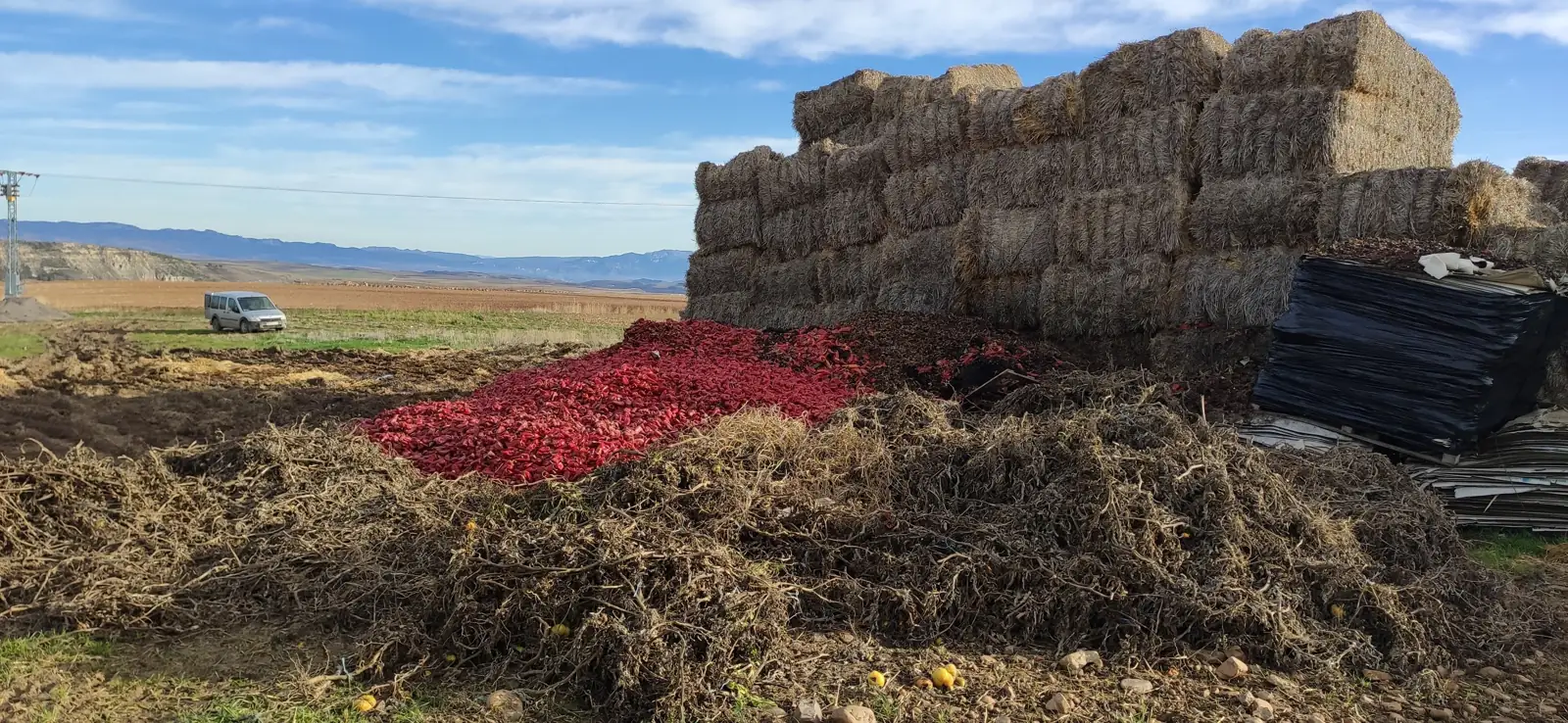
When fertiliser prices rise, the farm's bottom line suffers. When a supplier fails, the season gets complicated. And when every year you need a little more product to get the same result, something is wrong. The underlying question is always the same: how much of what your farm needs depends on the outside?
Autonomy from inputs does not mean buying nothing. It means the farm generates a good part of its own fertility, and that purchases are a choice, not an obligation. In this article we explain what the idea rests on and how to get started.
Why depend less on the outside
FAO sums it up in its 10 elements of agroecology. Under efficiency, it explains that agroecological practices produce more with fewer external resources, and that reducing this dependence gives producers autonomy and makes them more resilient to natural or economic shocks.
FAO also gives a figure that helps to understand the problem: globally, less than 50% of the nitrogen fertiliser applied to crops ends up in the harvest; the rest is lost to the environment. In other words, a large part of what you pay for never reaches the plant.
Under resilience, FAO adds that by reducing dependence on external inputs, agroecology can reduce producers' vulnerability and economic risk.
The four levers of autonomy
1. Recycle what you already have
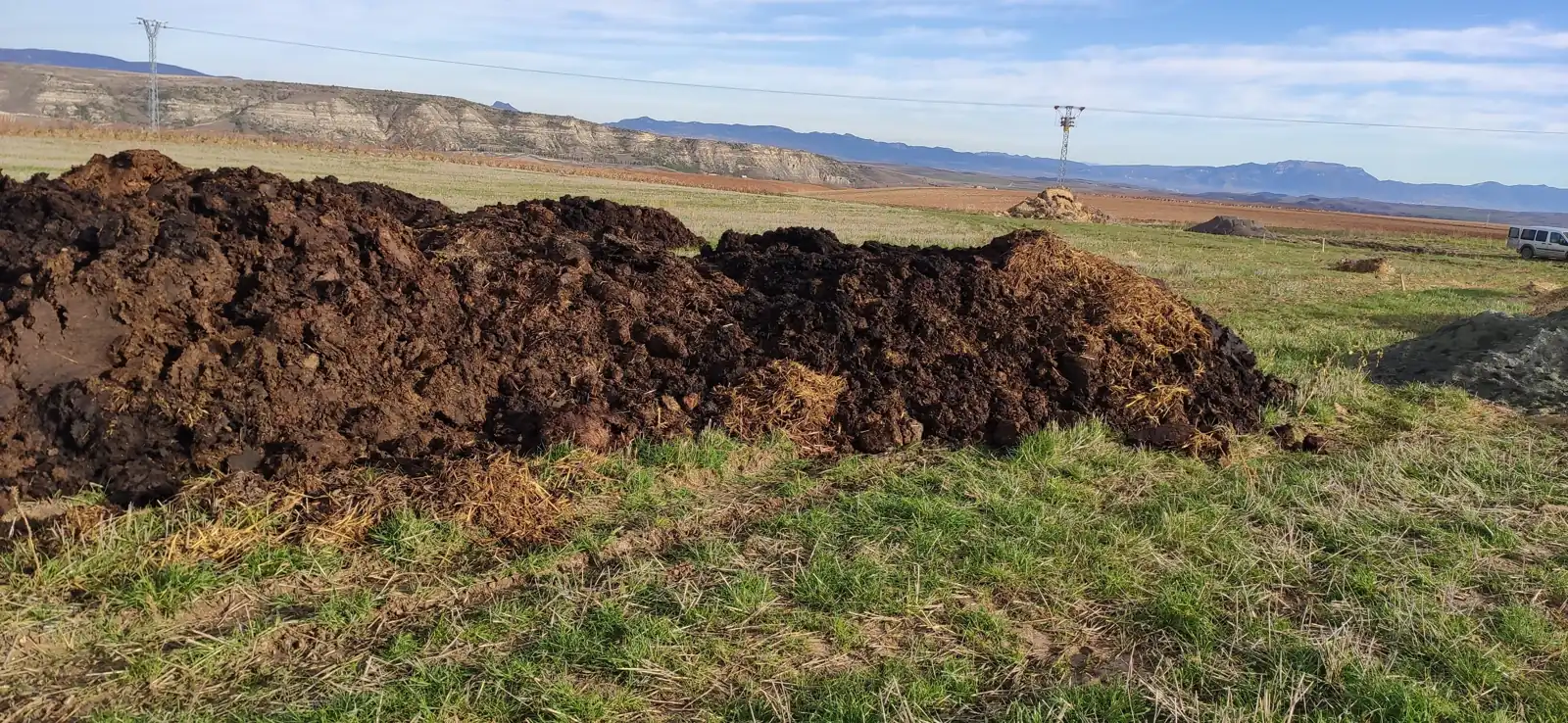
According to FAO, recycling nutrients, biomass and water within the farm reduces costs, dependence on external resources and vulnerability to market and climate shocks. It gives the example of systems that integrate crops and livestock: manure is composted or used as fertiliser, and crop residues feed the animals.
In practice, start with an inventory: what residues does your farm produce and what do you do with them? Prunings, crop residues, manure, processing by-products… Many are burnt, thrown away or given away when they could go back to the soil.
2. Build a soil that works for you
The NRCS of the US Department of Agriculture explains that soil health management systems can help maintain production while reducing fertilisers and other inputs, and lowering dependence on irrigation. It also notes that healthy soils hold more water and suffer less runoff and erosion.
The NRCS proposes four principles: minimise soil disturbance, maximise cover, encourage biodiversity and keep living roots. A soil with more life and more organic matter does part of the work the bag used to do.
3. Make your own inputs
An on-farm biofactory lets you turn your own residues into compost, ferments such as bokashi, or mulches. It won't replace everything you buy overnight, but every tonne you produce is a tonne you no longer depend on someone selling you.
4. Measure to decide
Autonomy is also knowledge. A baseline soil analysis, a record of what you apply and where, and regular observations let you adjust doses, spot what is surplus and stop buying "just in case". The NRCS points out that soil health tests are used to track changes over time and assess whether practices are working.
What about yields?
It is the question we are asked most, and rightly so. The results of CREAF's RegeneraCat project, presented in February 2026, suggest that after a few years of transition, once soil health has recovered, the regenerative model can produce the same as the conventional one at a similar or even lower cost. The researchers themselves warn that data at a larger scale are still missing.
The same study found, in some of the farms compared, soil carbon concentrations at least 35% higher and water-holding capacity at least 9% higher in regenerative plots than in conventional ones.
The honest message is this: the transition takes time, and it is best planned in phases, starting with the plots and practices that carry the least risk.
How to start without risking the season
- Take stock of your inputs: what you buy, how much, at what price and what for.
- Take stock of your own resources: what residues and by-products your farm produces.
- Choose a pilot plot and a first concrete change: cover crop, your own compost or a partial reduction of one input.
- Set a baseline: soil analysis and dated photos.
- Record everything: applications, dates, observations, yields.
- Review at the end of the season and decide whether to scale up.
Common mistakes
- Trying to change everything in the first year. The transition happens in phases.
- Cutting inputs without improving the soil. Autonomy is built, not decreed.
- Not measuring. Without a baseline you won't know whether you are doing better or worse.
- Going it alone. CREAF and the Iberian Regenerative Agriculture Association highlight knowledge exchange between producers. Learning from other farmers shortens the path.
Autonomy is designed
Depending less on the outside is not a question of ideology but of design and numbers. Every cycle you close on your farm is a cost you control and a risk you reduce.
If you want to work out which inputs you can replace or reduce on your farm, and in what order, write to us and we will build a phased plan together.
Be the one who does it.
Sources
- FAO. The 10 elements of agroecology: Efficiency. https://www.fao.org/agroecology/overview/the-10-elements-of-agroecology/efficiency/en
- FAO. The 10 elements of agroecology: Recycling. https://www.fao.org/agroecology/overview/the-10-elements-of-agroecology/recycling/en
- FAO. The 10 elements of agroecology: Resilience. https://www.fao.org/agroecology/overview/the-10-elements-of-agroecology/resilience/en
- USDA NRCS. Soil Health. https://www.nrcs.usda.gov/conservation-basics/natural-resource-concerns/soil/soil-health
- CREAF. Science and farmers define the ten basic criteria of regenerative agriculture (in Spanish, 12/02/2026). https://www.creaf.cat/es/articulos/diez-criterios-agricultura-regenerativa-ciencia-campesinado