

True Regenerative · field systems

Barcelona · Baix Llobregat

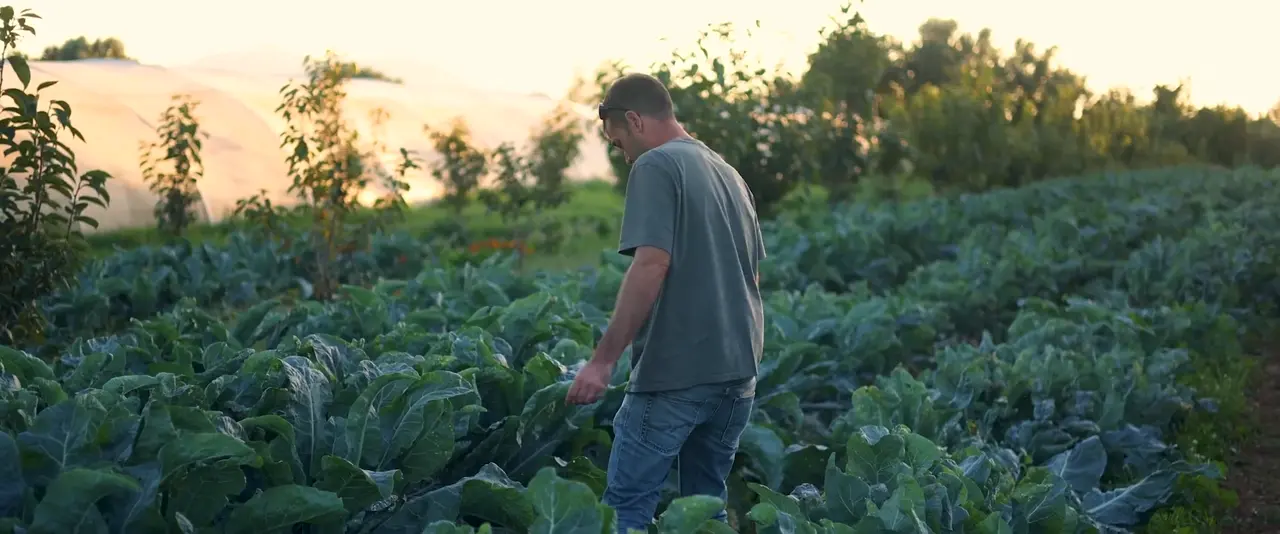
Regenerative agriculture in Barcelona

Our base is in La Palma de Cervelló, and we work with market gardens in the Baix Llobregat such as Tugas Pagès (Viladecans) and Vilaeco (Gavà). We design the management of soil, water and the biofactory with your team so they can carry it on their own.

In the design phase: GaudíLab, a regenerative school at the Colònia Güell

In the design phase

GaudíLab: a regenerative school at the Colònia Güell

GaudíLab is a project for a school and campus of regenerative sustainability at the Colònia Güell (Santa Coloma de Cervelló, Barcelona), led by the founder of True Regenerative. It will bring together practical training in regenerative agriculture, permaculture and water and landscape management on a living campus, learning by doing.

It is in the design phase. We will share updates here as it moves forward.

Cases in the province

Farms we already work with near Barcelona

Two market gardens in the Baix Llobregat, the same district as our base.

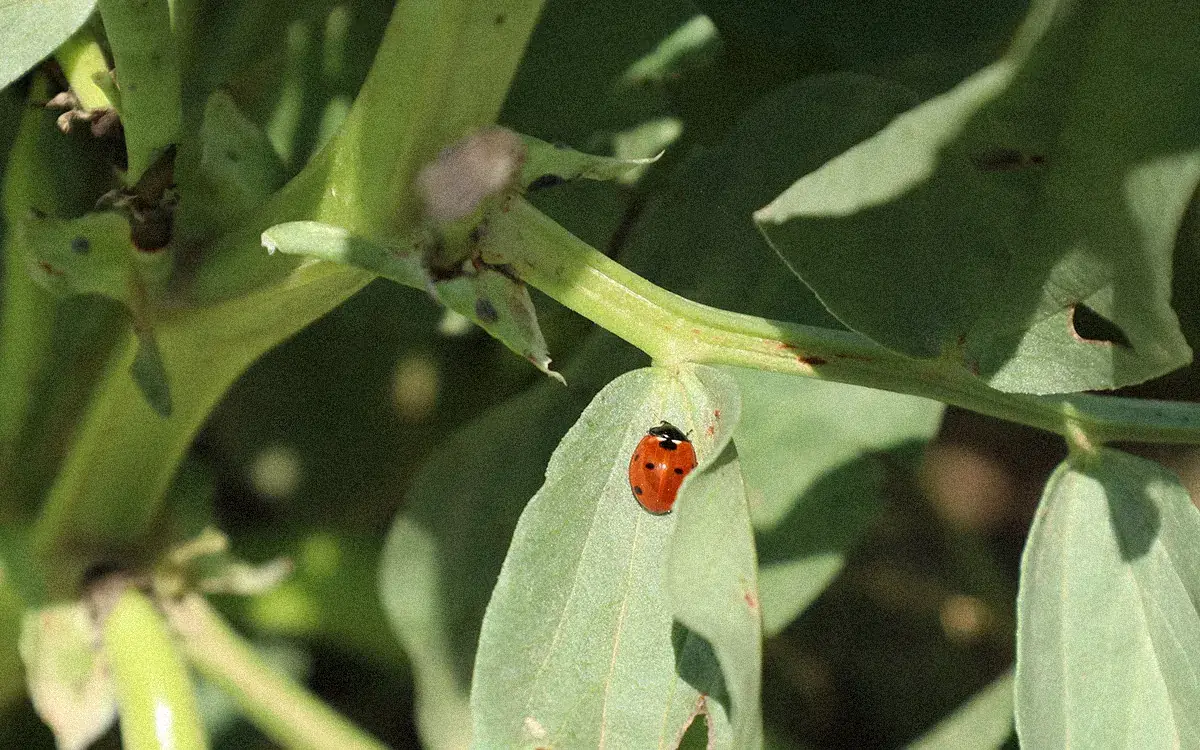
Tugas Pagès: a ladybird on a broad-bean plant in the Viladecans market garden

Baix Llobregat (Viladecans)Market garden

Tugas Pagès

About 10 ha of market garden, moving from organic to regenerative: soil regeneration and biodiversity, with a focus on fertility and autonomy. A community biofactory with Sostenipra and Ecocentral. On 10 April 2026, Sostenipra held with Tugas Pagès and Ecocentral a knowledge-sharing day on local, organic and regenerative farming. Website: tugaspages.cat.
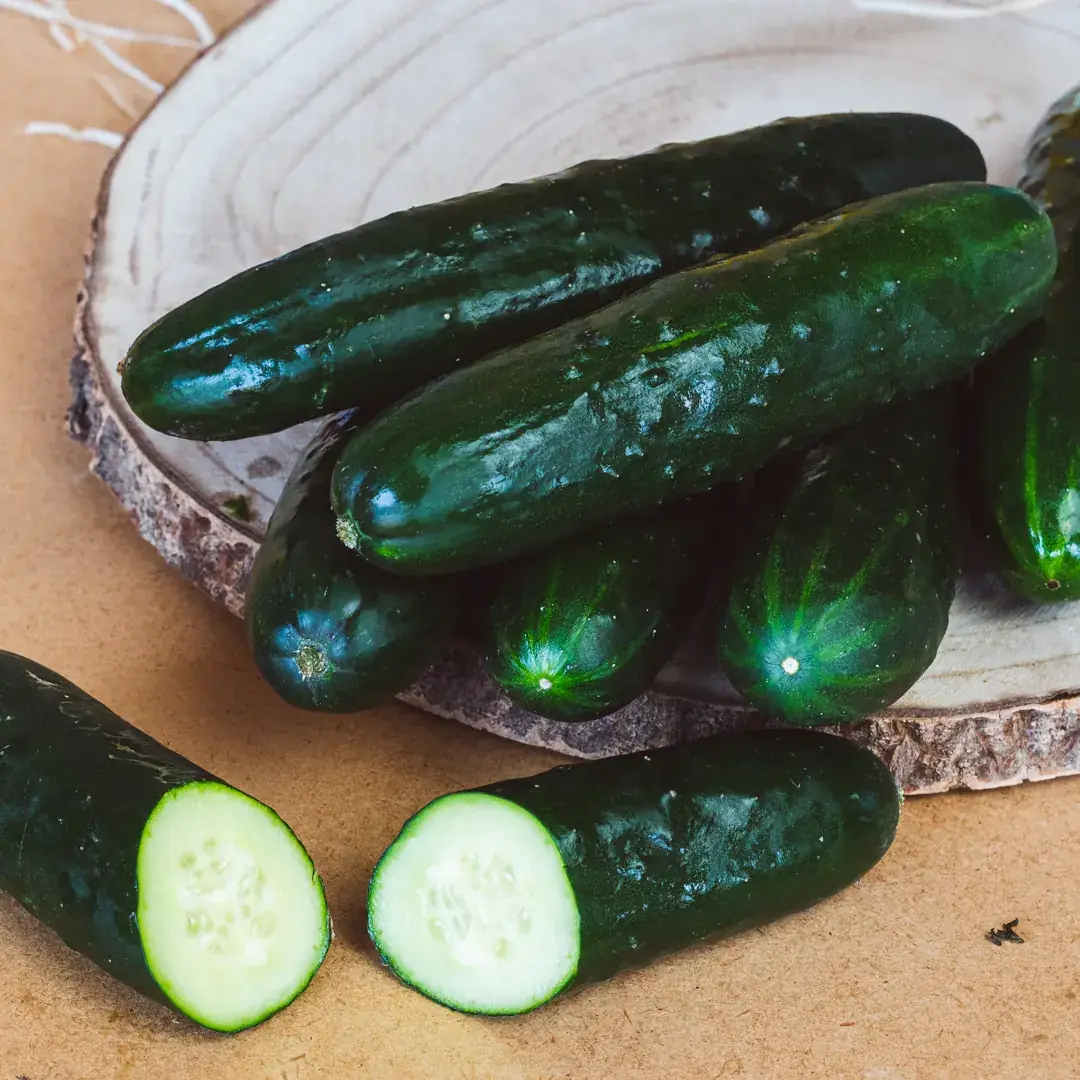
Vilaeco: organic cucumbers grown on the farm in the Baix Llobregat

Baix Llobregat (Gavà)Market garden

Vilaeco

About 30 ha of market garden. Soil regeneration with flower strips, plant residues and fertility work, within their organic production. Organic fruit and vegetables from their own fields and from nearby farms. Work on the farm is ongoing. Website: vilaeco.com.

More farms, in Catalonia and beyond, in real cases.

Mediterranean climate

More water in the soil, fewer inputs from outside

In a Mediterranean climate the challenge repeats itself: drought, tired soils and tightening costs. Regenerative agriculture aims to improve how the farm itself works (organic matter, microbiology, water retention, diversity) rather than merely cutting inputs or ticking a list.

That is why we read the farm layer by layer: water, soil, plant, animals and people. And also what you see above ground: bioindicator plants, insects and pollinators tell you whether energy is circulating or has stalled.

What we do

What we do on your farm

  1. Diagnosis

    We look before we touch: a first call about the farm and, if it makes sense to go further, a visit with lab analyses, chromatography and field observation. You leave with a clear starting point and a decision: to design the plan, to train, or not to continue.

    Diagnosis
  2. Design and planning

    We design a plan for your farm with you: soil, water and landform with keyline, crops and, when they fit, animals. With priorities, a calendar and a budget.

    Keyline and water
  3. Implementation and start-up

    We start it with you on the ground: water, covers, management or bio-inputs such as compost, bokashi and ferments, which the team learns to make on the farm itself.

    Biofactory
  4. Training and support

    On the farm and in the classroom: soil, bio-inputs, animals and water. We accompany you in stages until the knowledge stays with the team.

    Training

Do you have a vineyard? We do physiological pruning in the field with Maxime Pourveur (Architecte du Vivant). And we measure with the lab, chromatography and field work: method.

Honest limits

What we do not promise

We do not publish yields, closed returns or “carbon guarantees”. Each farm has its climate, its history and its economy. We start with a diagnosis: context, bottlenecks, and whether it makes sense to continue. Fees are discussed when the work is scoped.

Frequently asked questions

Do you work throughout the province of Barcelona?

Yes. Our base is in La Palma de Cervelló (Baix Llobregat) and we work with farms across the province and beyond: some of the work is remote, with visits depending on the project.

Which farms have you worked with near Barcelona?

In the Baix Llobregat, Tugas Pagès (Viladecans, about 10 ha of market garden) and Vilaeco (Gavà, about 30 ha of market garden). You will find more farms in real cases.

What is GaudíLab?

A project for a school and campus of regenerative sustainability at the Colònia Güell (Santa Coloma de Cervelló), led by the founder of True Regenerative. It is in the design phase.

How is it different from organic farming?

Organic farming is defined by a list of permitted inputs and an official certification. Regenerative farming looks at how the soil, water and biology of the farm evolve. They can go together.

What does it cost and where do we start?

It starts with a diagnosis: you tell us about your farm and we decide together whether it makes sense to continue. We do not publish fees: they are discussed when the work is scoped.

Next step

A diagnosis of your project

Tell us about your crop, the context and what concerns you.